



Most folks dive into SEO thinking it’s a magic formula for boosting search rankings. But if you’ve ever tried, you know the reality is murkier. Enter Dashword, a tool that’s meant to streamline your content optimization process. But is it really the answer you’ve been looking for, or just another tool in an overcrowded market? You’ll find plenty of opinions, but we’re cutting through the noise to give you the clear facts. Whether you’re a seasoned pro or just starting out, you need an honest take. Keep reading to see what truly sets Dashword apart—or doesn’t.
What Makes Dashword Stand Out?
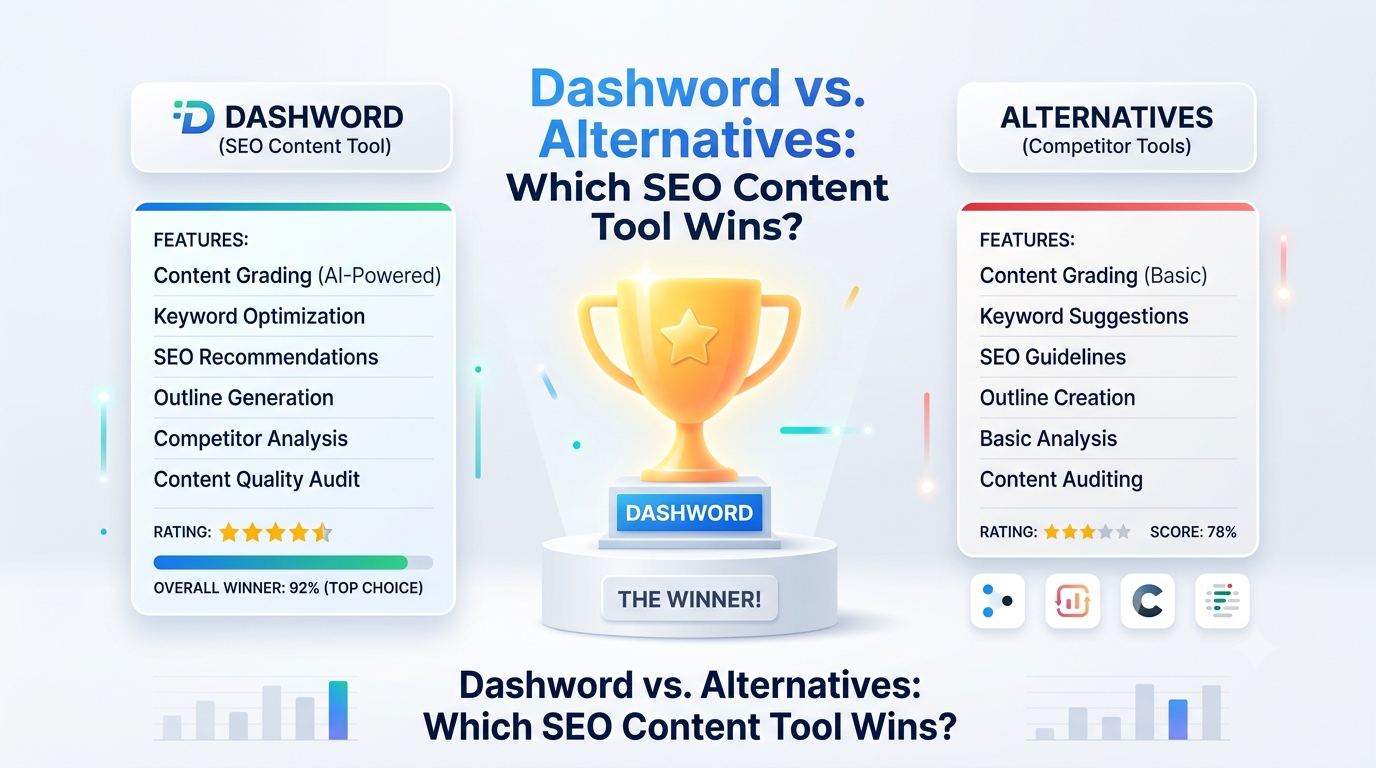
SEO content creation tools are a dime a dozen, but Dashword actually helps you nail those SEO targets. It’s not just talk. You get real-time content grading and topic suggestions. For instance, if you’re writing about “content marketing tips,” Dashword might suggest including specific phrases like “customer engagement” or “content strategy.” Handy, right? The dashboard is user-friendly too. You won’t need a PhD to figure it out. So, if you’re short on time, this won’t waste a minute.
ALSO READ: Nightwatch SEO Tool: Boost Your Rankings Effectively

Comparing Dashword Alternatives
Think of picking an SEO tool like searching for the best pizza in town. It’s personal, right? Some prefer Surfer SEO for its intuitive content editor that helps refine your blog posts. But it can get pricey, with plans starting at $49 a month. Then there’s Clearscope. It’s a favorite if you’re focused on keyword optimization. Strong, but not cheap either. So, you need to weigh the tools’ strengths against your budget. No perfect fit for everyone.
How to Choose the Right SEO Tool
I’ve found that the right SEO tool depends on what you need most. Content optimization? Dashword nails it. But if you’re all about backlinks, Ahrefs is hard to beat. Think of what you’d actually use every day. Trial versions are gold for testing these waters. I once tried SEMrush for its competitor analysis. It didn’t disappoint. Don’t get caught up in shiny features; focus on practical use. After all, the best tool is the one you’ll actually use regularly.
Frequently Asked Questions
Is Dashword suitable for beginners?
You’ll find Dashword pretty user-friendly if you’re just starting out. The tool offers clear templates and suggestions, making it easy to create content briefs even if you’re not a seasoned content strategist. Plus, their support team is responsive, which can be a lifesaver when you’re navigating the platform for the first time.

What are some free alternatives to Dashword?
If you’re on a budget, check out tools like Google Docs combined with the SEO Minion extension for keyword insights. Another option is AnswerThePublic, which helps you brainstorm content ideas based on real search queries. You won’t get all the bells and whistles of Dashword, but these can help you cover the basics without spending a dime.
Final Thoughts
If Dashword aligns with your budget and needs, it can streamline your SEO efforts effectively. But remember, it’s just one tool in the SEO toolbox. Dive deeper by trying out Dashword or exploring its alternatives today. Your first step: make a list of your SEO priorities, then test Dashword with a free trial or demo. That way, you’ll know if it earns a spot in your toolkit.